
A new flat, an old apartment that needs repairs, a shop that has looked the same for ten years: each of these projects starts with the same search for someone to design it. Finding the right Interior Designer in Dhaka takes longer than most people expect. Styles vary from one studio to the next, quotations arrive in different formats, and a late material delivery can stall an entire site.
A good designer asks about your family or your business, works inside your budget, and turns your answers into drawings that carpenters and electricians can build from. This guide covers what to check before you hire, with notes from Velnora Interior.
1. Write Down What You Need First
Do this before you call anyone. A short list makes every later conversation faster, and it lets you compare proposals on the same terms.
For a Home
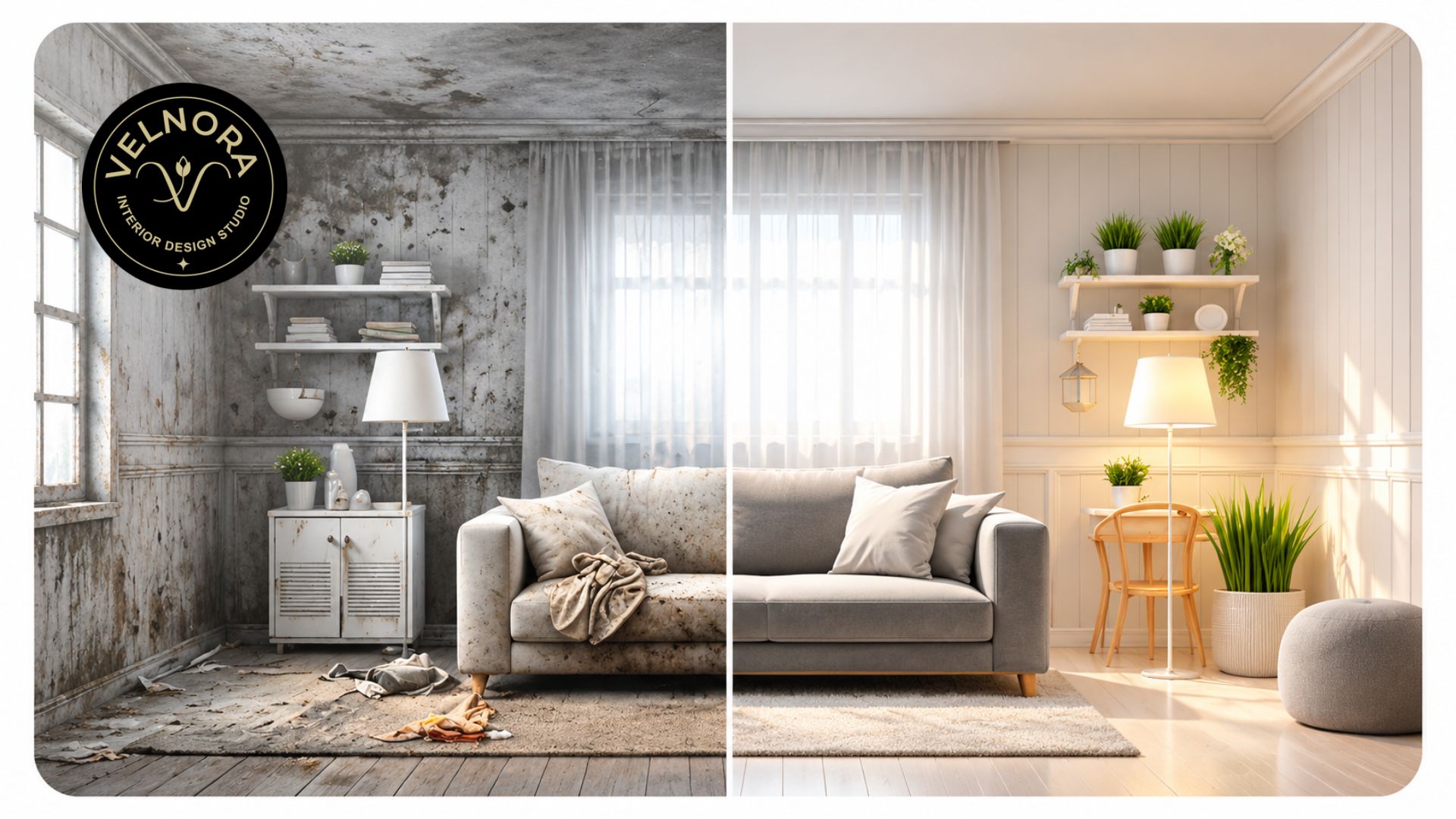
Walk through each room and note what bothers you today. Maybe the wardrobe is too small, the kitchen is too narrow for two people, or the living room has no place for guests to sit comfortably. In a small apartment, furniture size and room layout decide almost everything else.
Write down your color preferences, how much cleaning and upkeep you can manage, and your budget. If children or older relatives live with you, mention that early. It affects floor finishes, shelf heights, and how easily people can move between rooms.
For a Business
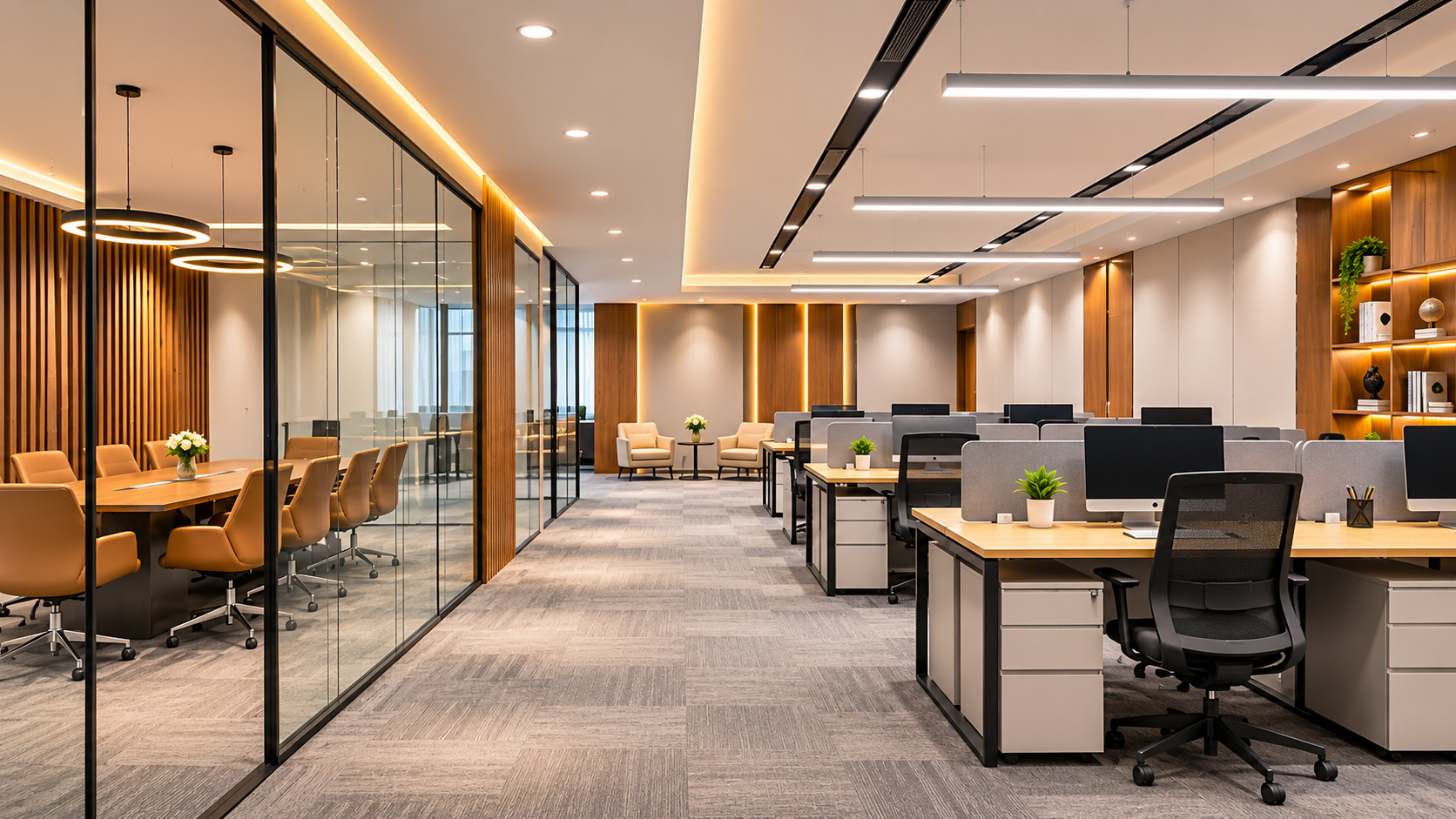
Commercial work starts from different questions. An office needs workstations, meeting rooms, good lighting, and storage that keeps paperwork off the desks. A shop needs displays that customers can read quickly and aisles they can walk without bumping into each other. A restaurant needs a workable path between the kitchen, the service counter, and the tables.
A written list of these requirements gives the designer something concrete to plan around, so the finished space looks right and does its job.
2. Look Closely at the Portfolio
A portfolio shows how a designer handles different rooms, materials, and problems. Go through completed homes and commercial projects rather than relying on a few polished promotional photos.
Select a project that aligns with your preferences and budget. Look at where the furniture sits, how much storage the rooms have, how the lighting is arranged, and how neatly the edges and joints are finished. A reliable Interior Design Company in Dhaka must clearly explain the reasons behind its design decisions.
Bring these questions to the first meeting:
Have you completed a project similar to mine?
Can I see photographs of finished work, not only renderings?
How do you handle design changes once work has started?
Who supervises the site day to day?
Direct answers to these four questions tell you a lot about how the team operates.
3. Compare What Each Proposal Covers
Studios differ in what they actually do. Some only plan and draw. Others also buy materials, build furniture, and manage the installation.
Read the Scope of Work
Ask whether the proposal includes layout planning, design drawings, material selection, lighting plans, custom furniture, and site supervision. Ask which of these cost extra.
If you want one team to run most of the project, ask about Turnkey Interior Design. Depending on the contract, it can include design development, material purchasing, construction coordination, furniture installation, and final finishing. Before you sign, confirm what the package contains, who is responsible for each task, and how extra work will be priced. A detailed scope prevents most of the arguments that come up halfway through a project.
4. Set a Budget and Compare Quotations
Cost worries most clients more than anything else. The price depends on floor area, how complicated the design is, the materials, the furniture specifications, and how much construction is needed.
Ask for an itemized quotation instead of a single total. It should break out materials, carpentry, electrical work, ceiling work, painting, furniture, and installation where they apply.
Don’t Pick on Price Alone
The cheapest quote may use lower-grade materials or leave out finishing work you assumed was included. An expensive quote does not guarantee better results either.
Compare the specifications line by line. Check material brands and grades, furniture dimensions, payment milestones, and any extra charges. Set aside a contingency amount, especially for renovations, because opening a wall or lifting a floor often turns up problems nobody could see beforehand. A reliable Interior Design Company in Dhaka should be able to tell you exactly where each taka goes.
5. Judge the Design by How It Works
A good-looking room still has to be comfortable to live in. Decorative walls and costly furniture cannot make up for a cramped layout, dim lighting, or a lack of storage.
Look for plans that account for foot traffic, ventilation, daylight, socket placement, and furniture dimensions. Materials should match how each room is used and how much maintenance you are willing to do.
Luxury With Practical Sense
If you want a premium home, a Luxury Home Interior Designer in Dhaka should know how to combine refined finishes with everyday comfort.
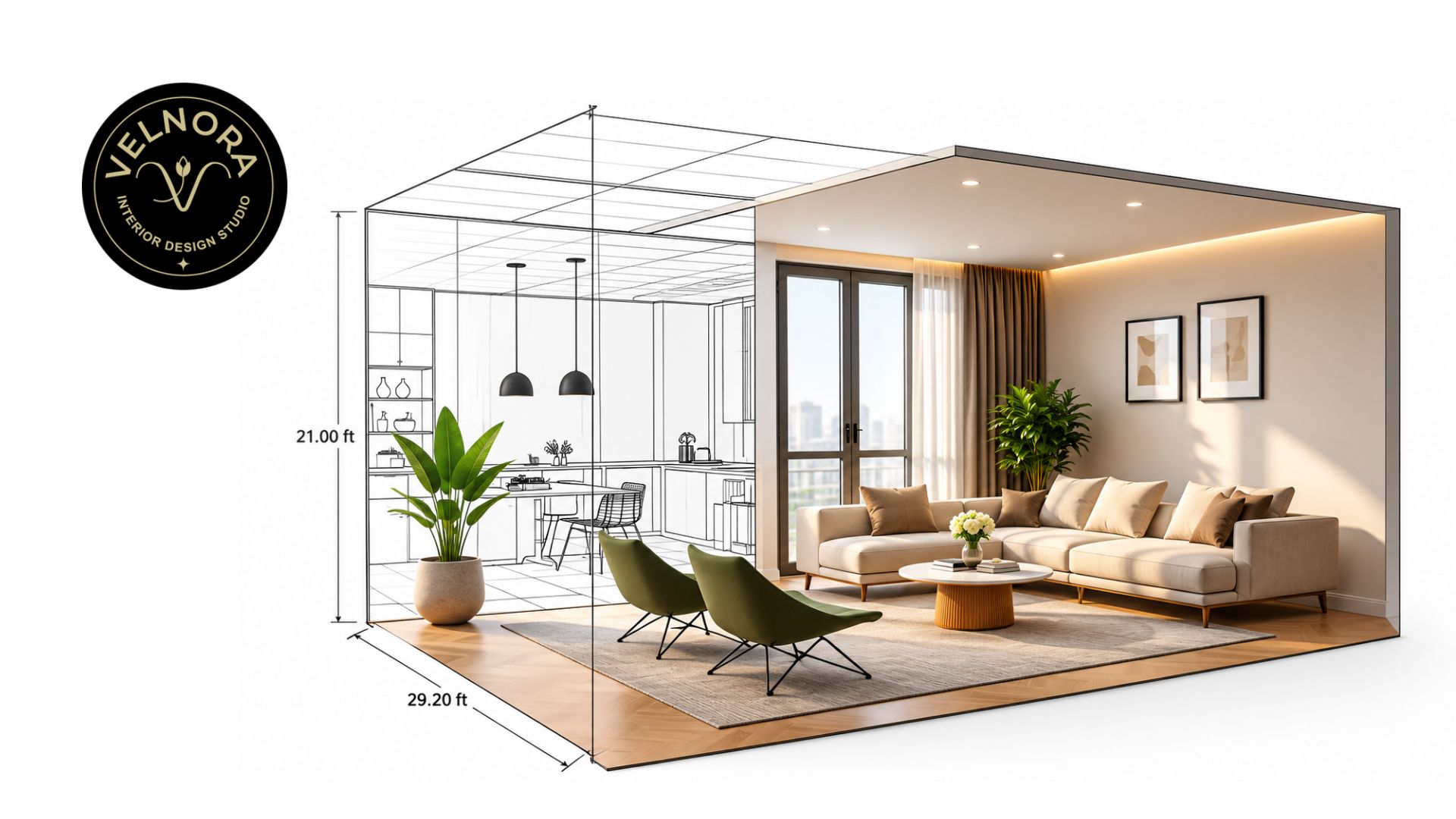
Luxury does not mean expensive material on every wall and floor. A well-planned lighting scheme, carefully built custom furniture, a coordinated color palette, and a handful of high-quality finishes can produce a polished result without extra spending. Ask to see material samples and 3D visuals where they are available. They show you the proposed look before you approve large purchases or start construction.
6. Find the Right Specialist for a Commercial Project
A business interior has to match how the company operates. Think about employee comfort, workflow, the customer experience, brand identity, and room to grow. For an office, a Corporate Office Interior Designer should understand workstation layouts, meeting-room needs, reception areas, storage, lighting, and how staff move through the floor.
Restaurants, retail shops, and showrooms need their own kind of planning. A restaurant needs a sensible link between the dining area and the service area. A showroom needs displays that present products well and a clear route for visitors.
Talk through your business goals before you approve the design. The finished space should look like your brand and stay easy to use and clean.
7. Check Communication, Schedule, and Site Management
A strong design can still turn into a frustrating project if nobody communicates. Before you hire, find out who your main contact will be, how updates will reach you, and how each decision gets approved.
Ask for an estimated schedule covering design approval, material selection, production, installation, and finishing. Dates can shift because of material supply, site conditions, or revisions, so ask how the team will tell you about delays.
The written agreement should state the scope, the payment schedule, who is responsible for what, the expected milestones, and the procedure for changes. If you go with Turnkey Interior Design, ask how the team manages suppliers and site workers, and who answers for problems when they appear.
8. Choose Someone Who Listens
The best working relationships start with the designer asking questions. They should want to know your preferences, budget, family situation, or business operations, and they should not push one fixed style onto every client.
Review the proposal carefully and if anything seems unclear, ask questions. Local experience matters when you hire an Interior Designer in Dhaka, because apartment layouts, material availability, supplier coordination, and site access all differ from city to city.
Velnora Interior approaches each project by starting with what the client needs, then planning the space and its character around that. Share your requirements with the team and confirm the services, deliverables, and project terms before you proceed.
Conclusion
Choosing a designer takes more than comparing photographs or picking the lowest quotation. Look for someone who asks about your priorities, explains costs line by line, plans the space with care, and keeps in touch from the first meeting to handover.
Whether you are renovating a flat, building a premium home, or setting up a workplace, compare portfolios, services, material specifications, and written agreements before you commit. An hour spent on that now saves you weeks of problems later.
FAQs
What affects interior design costs in Dhaka?
The size of the space, the materials, the furniture, the complexity of the design, any renovation work, and the services listed in the agreement.
Is turnkey interior design suitable for apartments?
It works well if you want one team handling both design and execution. Confirm the exact scope, exclusions, schedule, and payment terms first.
Should I hire a specialist for office interiors?
A designer with workplace experience can plan for employee comfort, meeting rooms, storage, workflow, lighting, and brand identity.